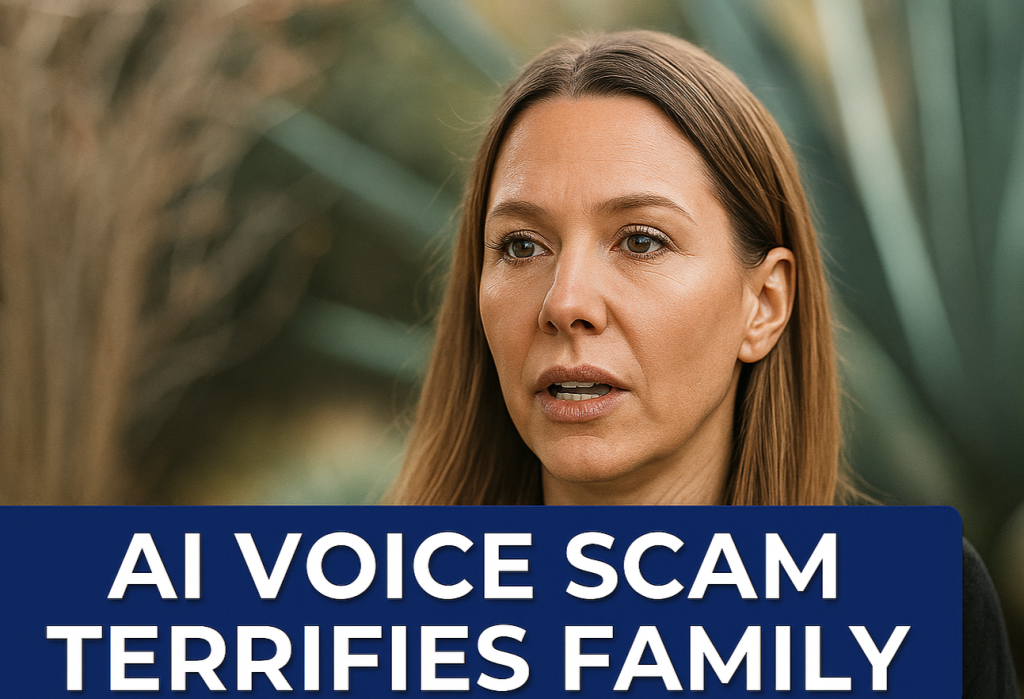

The AI voice cloning scam is a terrifying new frontier in fraud, using advanced technology to mimic the voices of your loved ones in distress. This sophisticated threat, also known as a deepfake phone call, turns a trusted voice into a weapon, creating a sense of panic to manipulate victims into sending money or divulging sensitive information. Understanding this scam is the first step toward protecting yourself and your family.
Fueled by rapid advancements in artificial intelligence, these scams are becoming increasingly convincing and widespread. Scammers no longer need extensive audio recordings; a few seconds of a voice from a social media video can be enough for voice cloning Al to create a realistic simulation. This guide will break down exactly how the AI voice cloning scam works, the critical red flags to look for, and the actionable steps you can take to stay safe.
What Exactly is an AI Voice Cloning Scam?
An AI voice cloning scam is a type of social engineering attack where a criminal uses artificial intelligence software to replicate a specific person’s voice. They then use this cloned voice to make a phone call, typically posing as a family member or friend in a desperate situation, such as a kidnapping, accident, or legal trouble.
The core of the scam is emotional manipulation. By hearing a familiar voice in a state of panic, the victim’s critical thinking is bypassed, and they are pressured into acting quickly without verification. This makes the AI voice cloning scam particularly insidious and effective.
How Scammers Execute the Al Voice Scam
The process behind a convincing Al voice scam is methodical and leverages publicly available data and powerful software. It generally unfolds in three distinct stages.
Step 1: Acquiring a Voice Sample
To create a clone, the scammer needs a sample of the target’s voice. In today’s digital world, this is frighteningly easy. Scammers can pull audio from:
- Social media posts (Instagram Stories, TikTok videos, Facebook updates)
- YouTube videos or podcasts
- Voicemail greetings
- Public speeches or interviews
Even a few seconds of clear audio can be sufficient for modern voice cloning Al to work its magic, creating a digital replica of the person’s vocal patterns, pitch, and cadence.
Step 2: Using Voice Cloning Al Technology
Once a voice sample is obtained, it’s fed into a specialized AI program. These tools, some of which are commercially available, analyze the unique characteristics of the voice. The software can then generate new audio in that same voice, saying anything the scammer types into a text-to-speech interface.
The technology has become so advanced that it can even replicate emotional inflections, such as crying or fear, making the subsequent deepfake phone call incredibly persuasive.
Step 3: The Deepfake Phone Call
With the cloned voice ready, the scammer makes the call. They often use caller ID spoofing to make it appear as though the call is coming from the actual person’s phone number. They will deliver a frantic message, create a high-pressure scenario, and demand immediate action, usually in the form of a wire transfer or cryptocurrency payment.
This final step is where the entire AI voice cloning scam comes together, preying on the victim’s love and fear for their family member to achieve a financial goal.
Real-World Examples of the AI Voice Cloning Scam
This threat is not theoretical. Thousands of people have already been targeted by this sophisticated scam. Here are some common scenarios:
- The Grandparent Scam: A scammer calls an elderly person, using a cloned voice of their grandchild who claims to have been arrested and needs immediate bail money.
- The Kidnapping Hoax: Parents receive a terrifying deepfake phone call with their child’s voice crying for help, followed by a “kidnapper” demanding a ransom.
- The Emergency Request: A person gets a call from a “family member” claiming they’ve been in a car accident, are in the hospital, and need money for medical bills their insurance won’t cover.

Deepfake Call vs. Real Call: How to Tell the Difference
While difficult, there are subtle clues that can help you distinguish a fraudulent call from a genuine emergency. Awareness of these differences is key to defeating an AI voice cloning scam.
| Feature | Real Emergency Call | AI Voice Cloning Scam (Deepfake Call) |
|---|---|---|
| Emotional State | Genuine, nuanced emotion. | Often overly dramatic or has slightly off emotional cues. |
| Speech Pattern | Natural flow, ums, and ahs. | May have unnatural pauses, strange cadence, or a flat, robotic tone. |
| Background Noise | Authentic sounds related to the situation. | May have no background noise, or sounds may be generic and repetitive. |
| Interactivity | Responds directly and specifically to questions. | May evade direct questions or give vague answers. The AI may struggle with unexpected queries. |
| The “Ask” | Might not ask for money immediately. | Almost always involves an immediate, urgent demand for money, often via untraceable methods. |
7 Red Flags of an AI Voice Cloning Scam (Checklist)
Stay vigilant and train yourself to recognize the warning signs of a deepfake phone call. If you encounter any of the following, pause and investigate before taking any action.
- Extreme Urgency: The caller insists you must act *now* and that there is no time to wait or talk to anyone else. This is a classic pressure tactic.
- Secrecy is Demanded: The caller begs you, “Please don’t tell Mom and Dad,” or makes a similar request to keep you from verifying the story.
- Specific Payment Methods: Scammers demand payment through wire transfers, gift cards, or cryptocurrency because they are difficult to trace and impossible to reverse.
- Poor Call Quality: While AI is improving, some clones still have a slightly robotic or distorted quality. Scammers may blame this on a “bad connection.”
- Unusual Phrasing: The cloned voice might use words or phrases that the real person would not, or the grammar might be slightly off.
- Inability to Answer Simple Questions: A scammer using a real-time AI might struggle to answer a personal question that only your loved one would know (e.g., “What’s our dog’s name?”).
- The Call Originates from an Unknown Number: Even if the story involves your loved one losing their phone, a call from an unknown or blocked number is an immediate red flag.

How to Protect Yourself from a Deepfake Phone Call
Proactive defense is the best strategy against the AI voice cloning scam. Implementing a few simple habits and family protocols can make all the difference.
Be Skeptical of Urgent Requests
Your first instinct should always be skepticism when receiving a frantic call involving a request for money, no matter how real the voice sounds. Fraudsters rely on you panicking. The best defense is to stay calm and think critically. Never rush into a financial transaction based on a single phone call.
Create a Family “Safe Word”
A safe word or challenge question is one of the most effective tools against this type of scam. Establish a unique word or question with your close family members that only you would know. If you receive a suspicious call, ask the caller for the safe word. A scammer will not know it.
Pro-Tip: Choose a safe word that is not easily guessable from social media profiles, like an inside joke or the name of a childhood pet that was never mentioned online.
Verify the Caller’s Identity
If you receive a suspicious call, hang up immediately. Then, call the person back on their known phone number. Do not use the number from the incoming call. You can also try contacting them through another channel, like a text message or a social media DM, or by calling another family member to verify the story.
Additional protection tips include:
* Limit Your Digital Footprint: Be cautious about the videos and audio you post publicly. Consider making social media accounts private to limit a scammer’s access to voice samples.
* Educate Your Family: Talk to your entire family, especially elderly relatives, about the AI voice cloning scam. Make sure they understand how it works and what to do.
What to Do If You’ve Been Targeted by This Scam
If you suspect you’ve been contacted by a scammer or have already fallen victim, it is crucial to act quickly. Follow these steps:
- Stop All Contact: Hang up the phone immediately. Do not engage further with the scammer.
- Contact Your Bank: If you sent money, contact your bank or financial institution immediately. Report the fraud. They may be able to stop the transaction if it’s caught early enough.
- Report the Scam: File a report with the Federal Trade Commission (FTC) at ReportFraud.ftc.gov and the FBI’s Internet Crime Complaint Center (IC3) at ic3.gov.
- Inform Your Family: Let your family know about the attempt so they can be on high alert for similar calls.
The Future of the AI Voice Cloning Scam
The technology behind the AI voice cloning scam is only getting better, cheaper, and more accessible. We can expect these scams to become even more realistic and widespread. The key to future protection will be a combination of public awareness, technological safeguards developed by telecom companies, and personal vigilance. Staying informed about these evolving threats is no longer optional—it’s essential for digital-age survival.
In conclusion, the AI voice cloning scam represents a significant and growing threat. However, by understanding the tactics, recognizing the red flags, and implementing simple but effective security measures like a family safe word, you can build a strong defense. Always remember to trust your instincts: if a call feels wrong, it probably is. Pause, verify, and protect your hard-earned money.
FAQ
How can AI clone a voice from a short audio clip?
Modern AI voice cloning Al, particularly those using deep learning models, can analyze the unique characteristics of a voice—pitch, tone, accent, and cadence—from just a few seconds of audio. It then creates a sophisticated voice model that can be used to generate new speech from text, making it sound like the original speaker.
What is the most common goal of an AI voice cloning scam?
The primary goal is almost always financial fraud. Scammers create a false emergency scenario (like a kidnapping or accident) to instill panic and trick the victim into sending money quickly through untraceable methods like wire transfers, cryptocurrency, or gift cards before they have a chance to verify the story.
Are there laws against creating a deepfake phone call?
Yes, using AI-generated voices to commit fraud, extortion, or harassment is illegal. These acts fall under various existing laws against wire fraud, identity theft, and extortion. Several states are also enacting new laws specifically targeting the malicious use of deepfake technology to protect individuals from such scams.
How can I report an AI voice scam?
If you receive a scam call, you should report it immediately to the Federal Trade Commission (FTC) via their website, ReportFraud.ftc.gov. You should also file a complaint with the FBI’s Internet Crime Complaint Center (IC3). Reporting these incidents helps law enforcement track scam patterns and protect others.